A hydration vest sits close to your torso, so how you pack it decides whether it feels like part of you or a bag bouncing on your back. Start by thinking about weight. Heavy items belong close to your body and fairly high, where they move least while you run. Think of the vest as a second layer of clothing rather than luggage.
Water is the heaviest thing you will carry, so it sets the balance of the whole vest. Two flasks, one on each side of the chest, keep the load even. If you carry more water on one side, the vest tugs that way, and you will notice it within a few minutes of running.
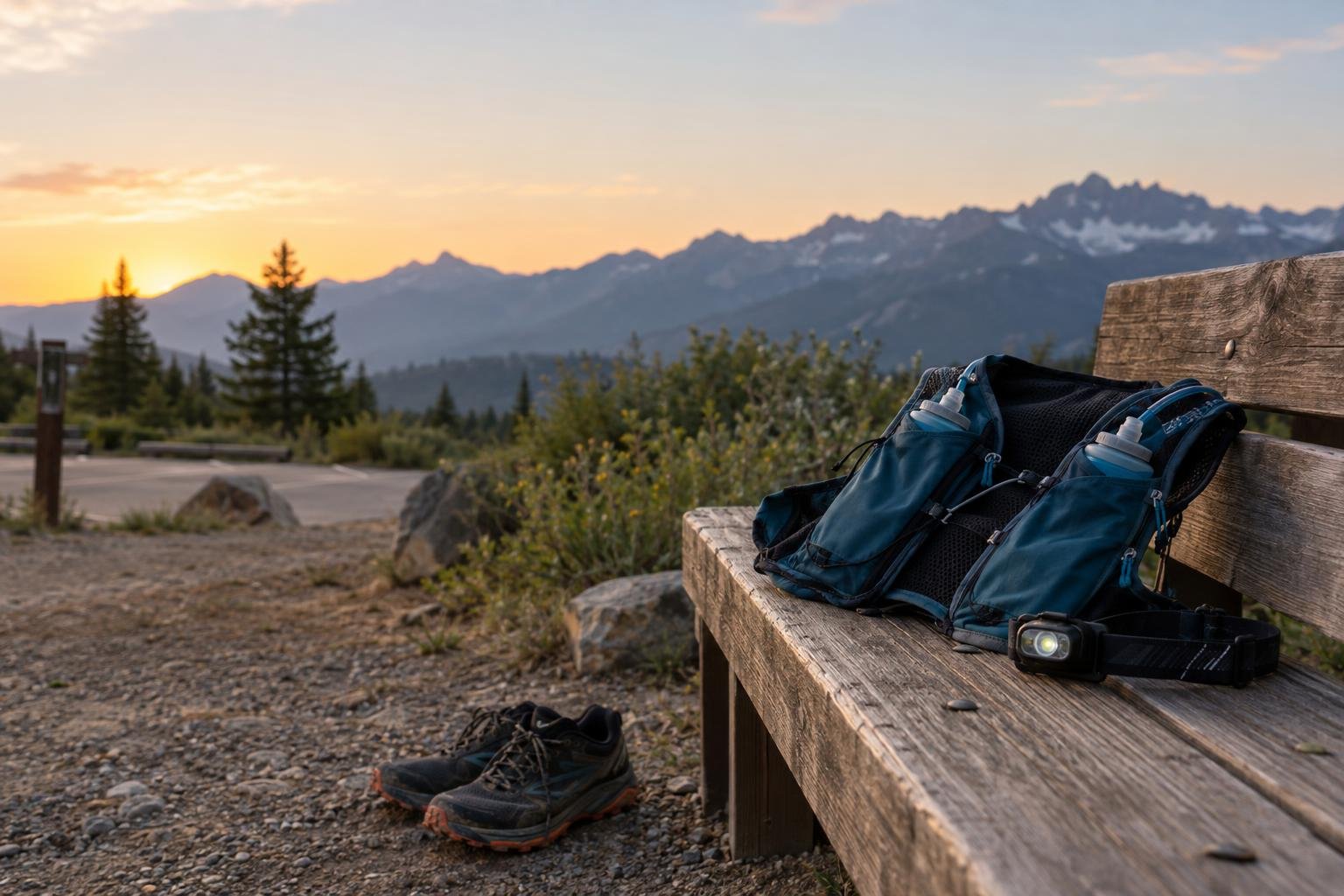
Soft flasks in the front pockets keep water within easy reach. Because they collapse as you drink, they stop sloshing as they empty. Sip often rather than waiting until you are very thirsty, and you will not have to stop to unpack anything. A flask that is only partly full can be rolled or squeezed down so it does not slap around.
Hard bottles are the other option, and they have their place. They hold their shape, which makes them easy to fill and easy to drink from. The trade-off is that they keep their volume as you empty them, so the water moves and can bounce in the pocket. Many runners try both and pick what suits the pockets of their vest.
Pockets and Quick Access
Use the other pockets for things you want quickly. A phone, a snack or a small layer is best where you can reach it without taking the vest off. Keep what you rarely need, like a spare layer, in the back where it is out of the way. Think of the pockets as a ranking from most used to least.
A simple rule is to ask how often you will reach for something. If the answer is every few miles, it goes in a front or side pocket. If it is only there in case something goes wrong, it goes in the back. Sorting by use, rather than by size, keeps you from digging around while moving.
Pack small items so they do not rattle or poke. Soft items like a thin jacket can be stuffed into gaps, which acts as padding and keeps the load from shifting. Hard items, such as a phone, are better placed against the body side of a pocket with softer things around them. Tidy packing is quieter, and quiet is easier to run with.
Getting the Fit Right
Chest straps and cord adjusters are what make a vest fit. Most vests offer two chest straps that slide on a rail, and many add cords at the sides. Snug the straps until the vest does not shift, but not so tight that it limits your breathing. You may need to adjust once you have a few flasks drunk, as the load changes.
Fit starts with size. A vest that is too big will swing no matter how you pack it, and one that is too small will squeeze. Check the chest measurement the maker gives, then try the vest on loaded with water, since an empty vest tells you very little. Move your arms as if running, and look for any spot that rubs or pinches.
Check the shoulder straps too. They should sit flat and spread the weight, not dig into the tops of your shoulders. If the vest rides up or bounces on your lower back, tighten the side cords a little and see if the load settles. Small changes are usually enough, and it is worth making them one at a time so you know which one helped.
Light and Spare Layers
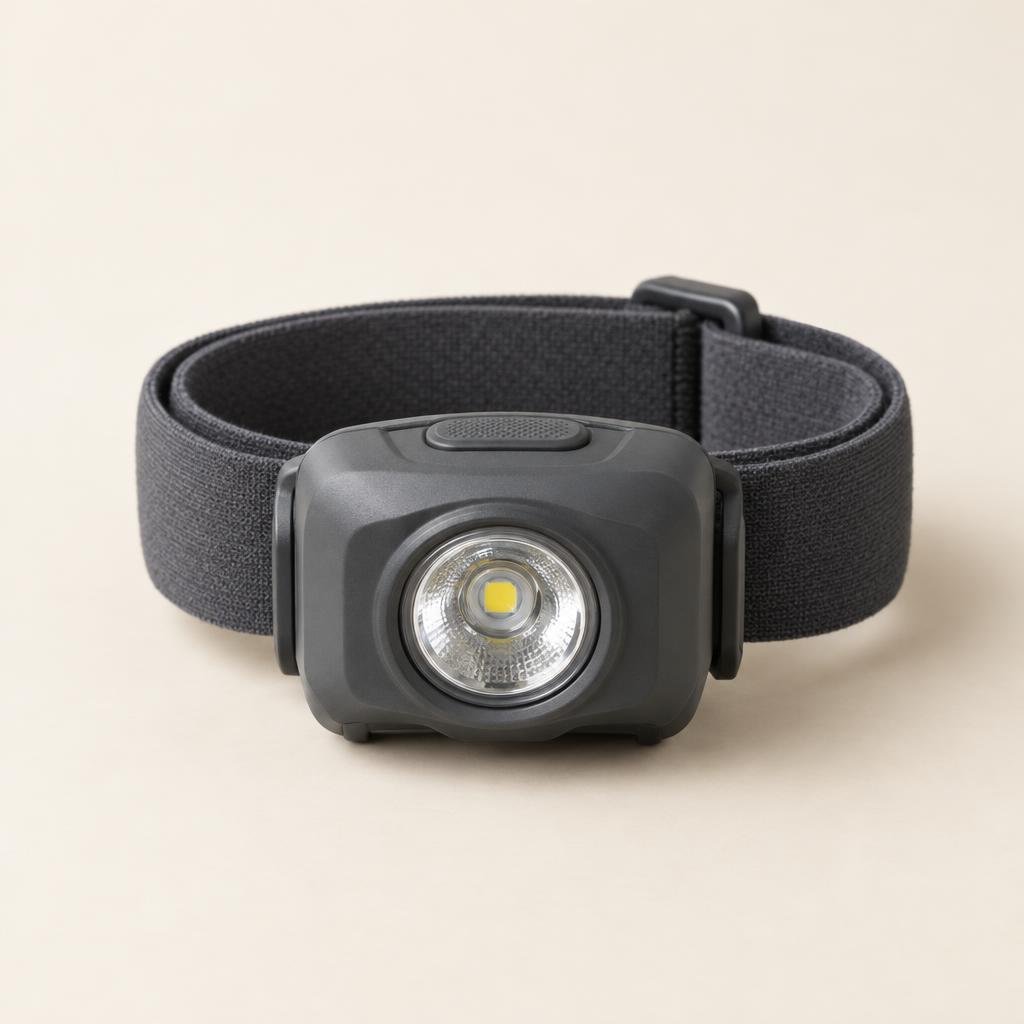
If you run before sunrise or finish after dark, pack a headlamp even if you plan to be back early. Plans change on trails, and a light is small and easy to carry. Check the strap fits comfortably over your head or cap before you leave. Keep it in an outer pocket you can reach, so you are not unpacking the vest in fading light.
A spare layer is the item people most often leave behind and most often wish they had. Weather on a trail can shift while you are out. A thin, packable jacket or wind shell weighs little and folds small. Stuff it in the back where it can act as padding, and keep a hat or gloves nearer the front.
Headlamps differ in brightness, weight and how long the battery lasts, and the right choice depends on the terrain you run. A lamp that feels light in your hand can still bounce on your forehead if the strap is loose. Before each run, make sure the battery is charged or fresh, and know how to switch modes so you are not fumbling with buttons.
Testing and Looking After Gear
Try your whole setup on a short run before a long one. Rubbing, bouncing and awkward pockets show up fast, and it is much easier to fix them close to home than several miles out. Load the vest as you plan to on the big day, with full flasks and every item in its pocket, because a half-packed test hides problems.
Pay attention to small things while you test. Does the phone pocket let you grab it with one hand? Can you reach a flask and put it back without slowing down? Do the straps stay put when you drink? You do not need to write anything down. Move items around until the answers are all yes, then leave the arrangement alone.
Last, empty and rinse your flasks after use and let them dry open. Shake out crumbs from pockets too. A vest that is cared for like this stays pleasant to wear and ready for the next run. Hang the vest somewhere with airflow rather than leaving it balled up in a bag, since trapped damp is what leads to odor.
Now and then, check the vest for wear. Look at the stitching around the straps and pockets, the elastic cord, and the buckles. Small frays are easy to deal with early and harder later. Follow the care label for washing, since heat and harsh soap can damage the fabrics and flasks. A little attention keeps the gear working for many seasons.