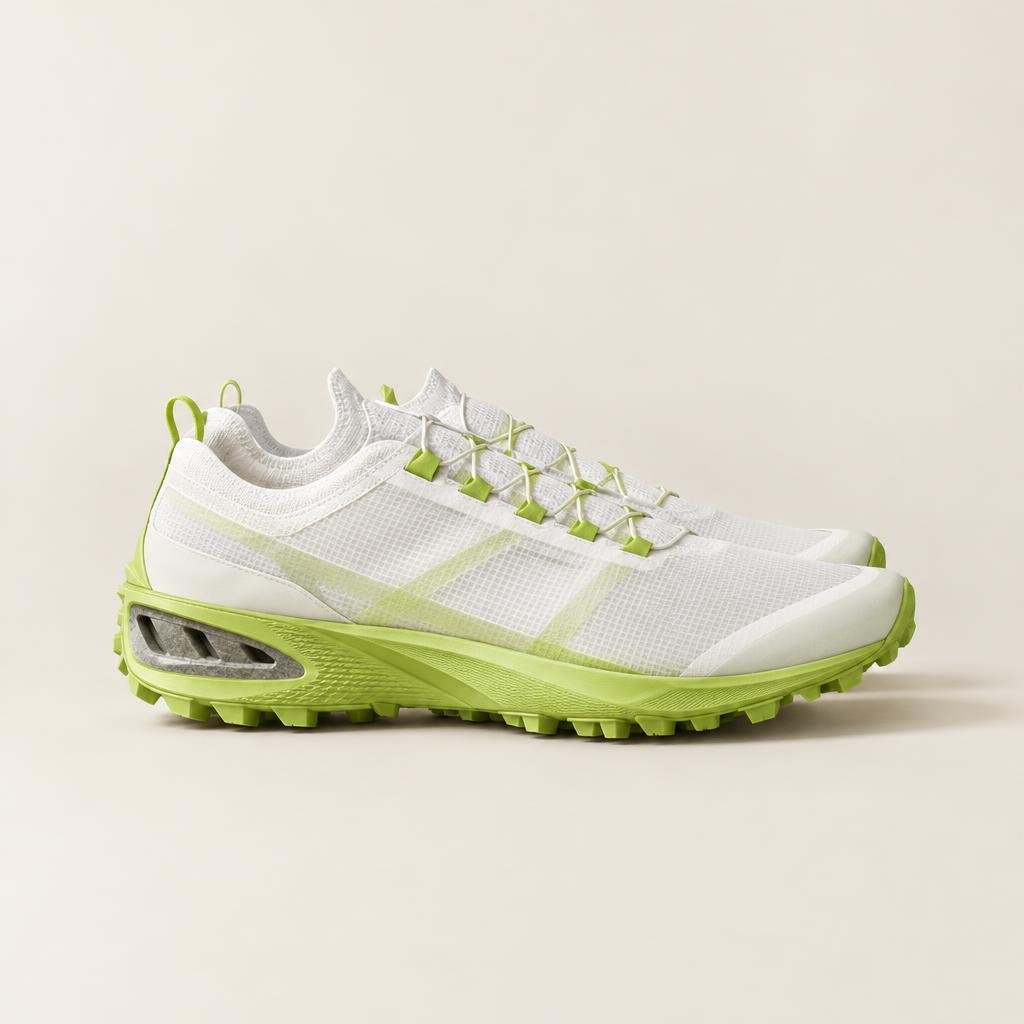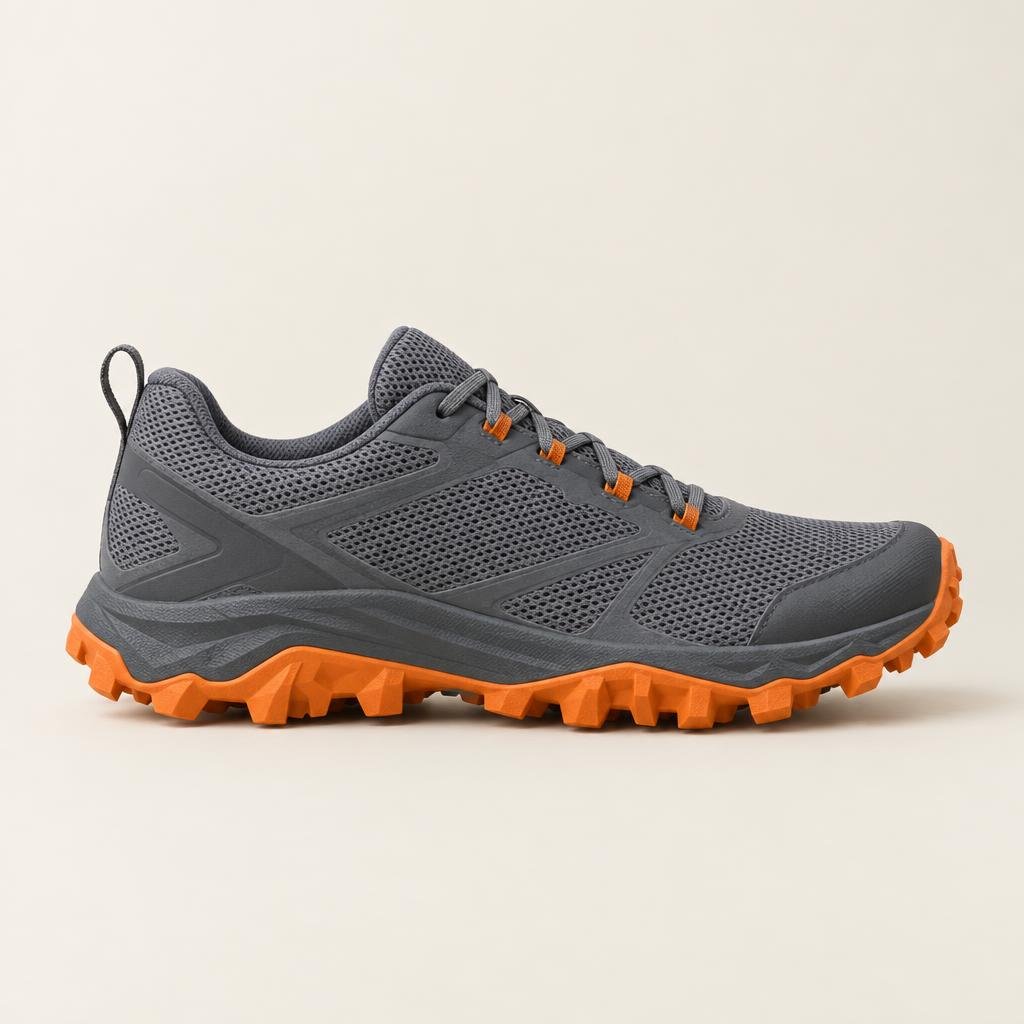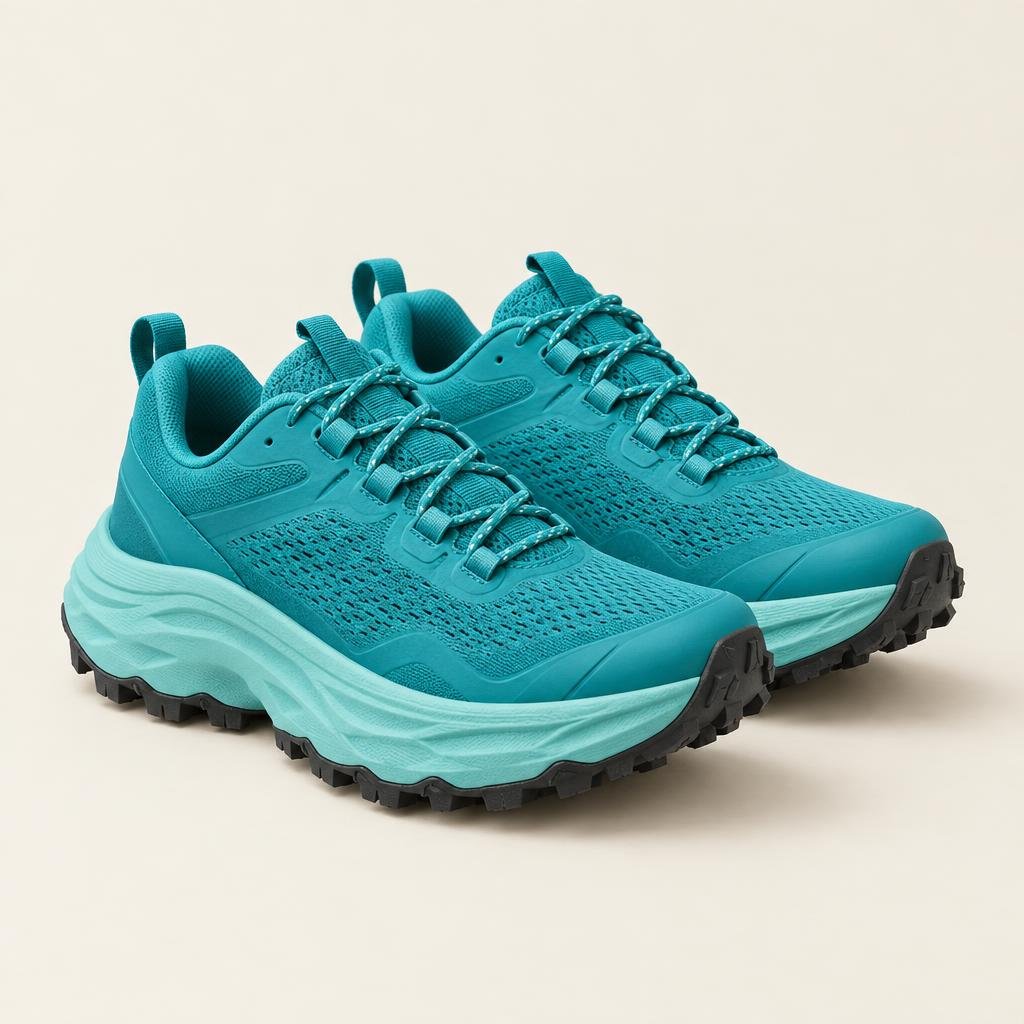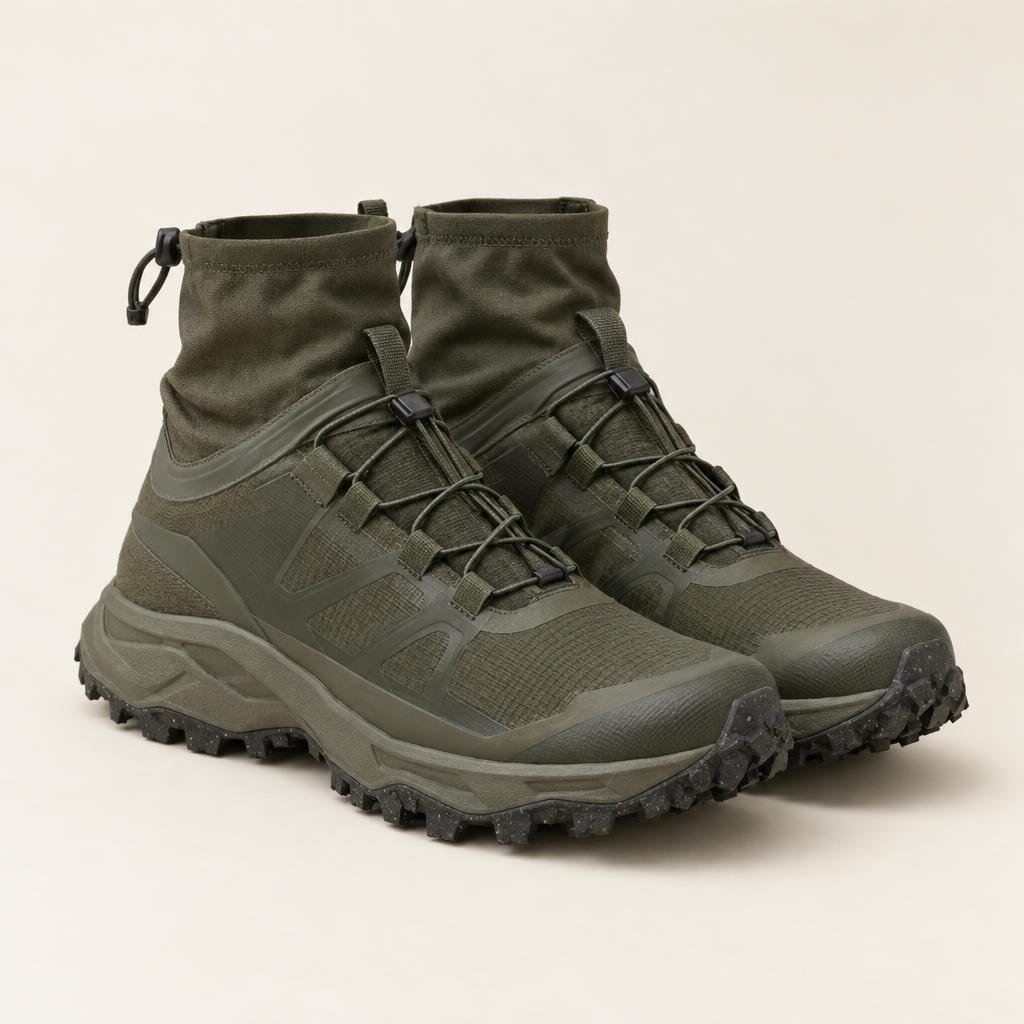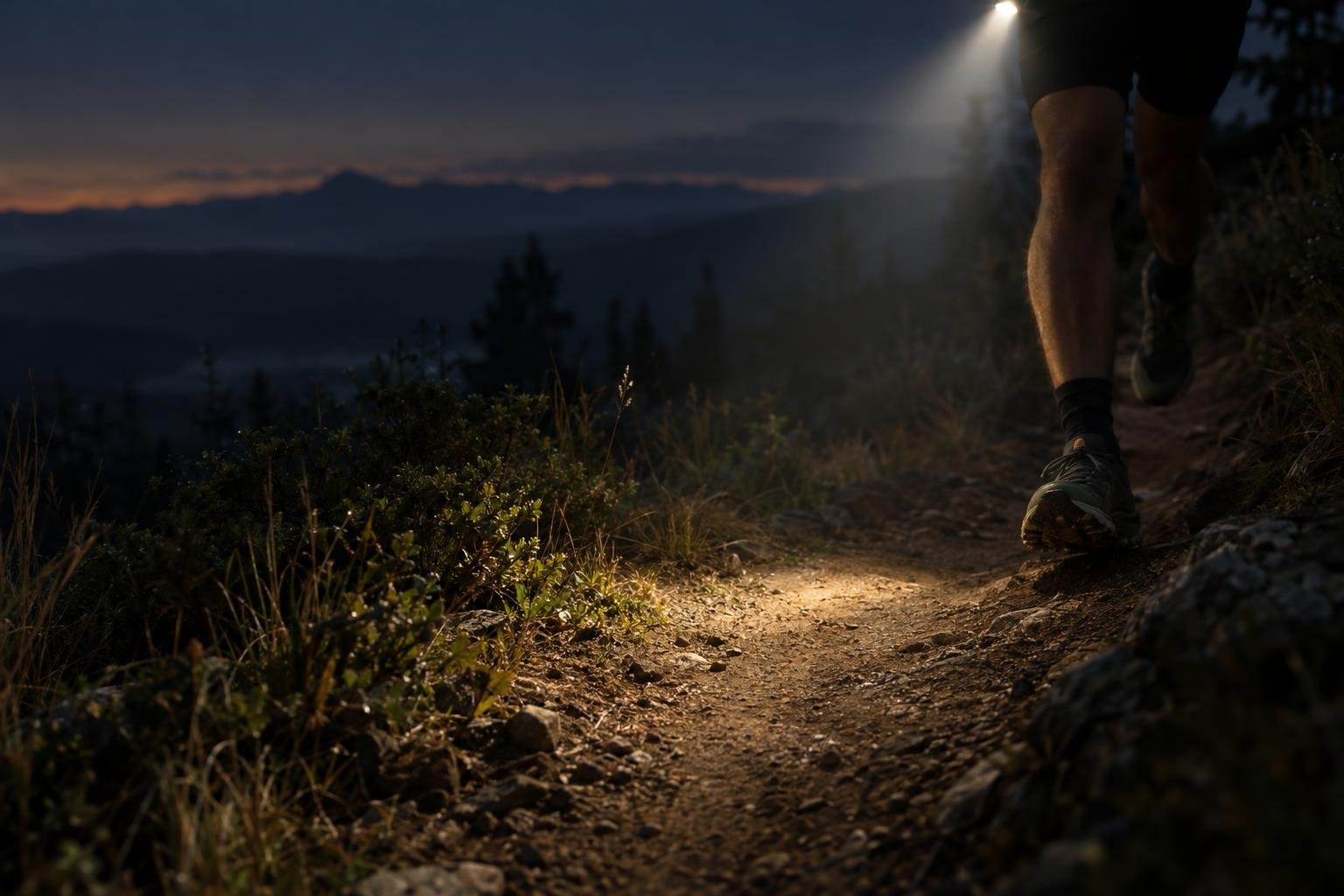
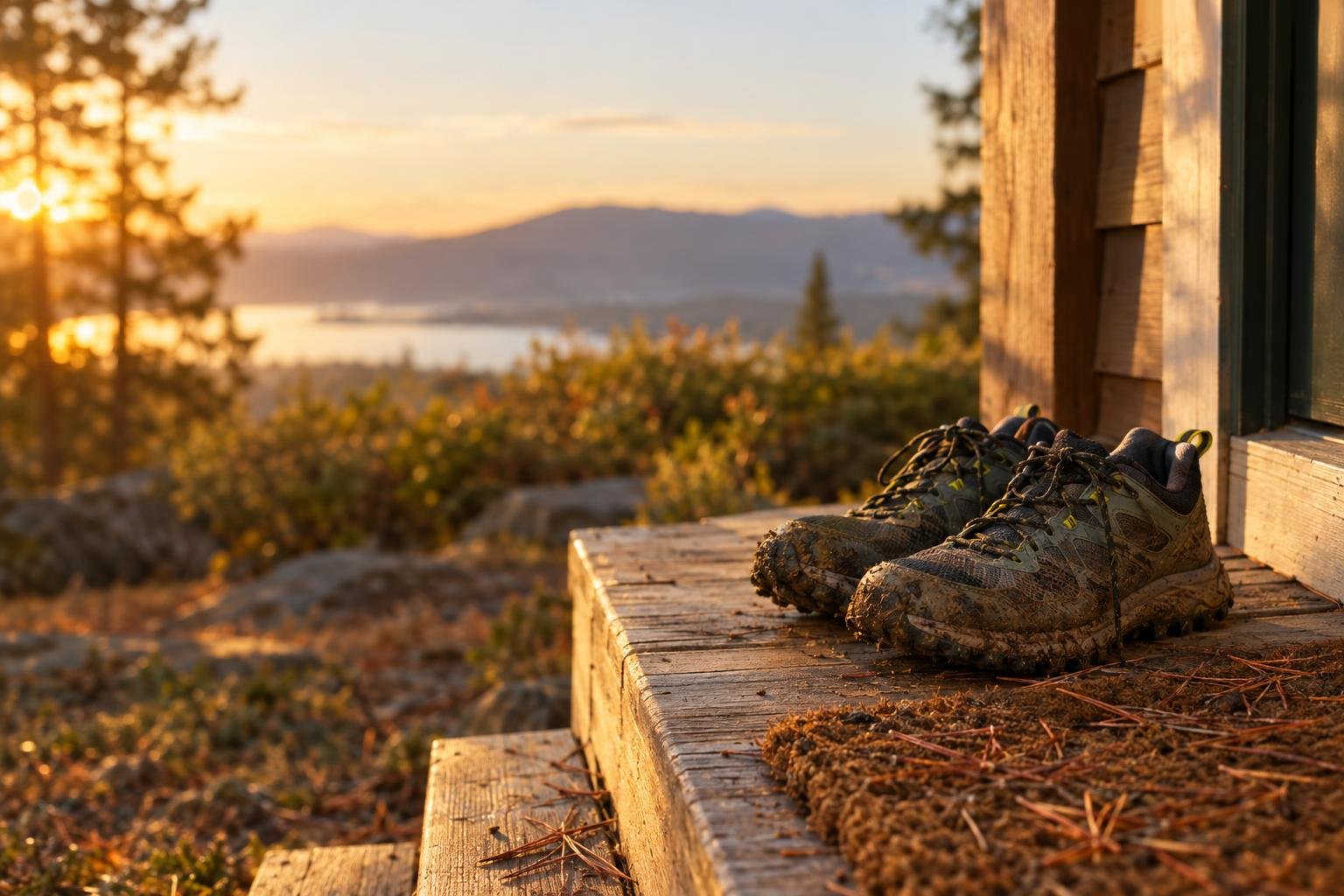
Moving from road to trail starts with the outsole. Look at the lugs, the raised pieces of rubber under the shoe. Deeper, more widely spaced lugs bite into soft dirt and shed mud, while shallow ones feel smoother on packed paths and rock.
Lugs are a trade-off, not a ranking. A shoe with tall, aggressive lugs grips well in loose ground, but on hard surfaces those same lugs can feel squirmy and wear down faster. A shoe with shorter lugs rides more steadily on firm trails and handles a stretch of pavement better.
Cushion is the next choice. A high-cushion shoe softens long days and rough ground, but it sits higher off the ground and can feel less precise on technical sections. A low-profile shoe gives you more feel for the trail and usually weighs less, which suits shorter runs and runners who like to feel what is underfoot.
Many first-time buyers assume more cushion is always kinder. It often is over distance, but a tall stack can make your ankle feel less stable when the ground is uneven. If you are unsure, a middle ground gives you some protection and still lets you sense what your feet are landing on.
Upper, Fit and Lacing
The upper matters too. Mesh breathes well and dries quickly, while tighter weaves and ripstop styles resist snags and wear. A toe bumper protects against kicked roots and rocks, and it is worth having if you run on rough singletrack.
There is a balance here as well. Open mesh feels airy and light, but it lets in more fine dust and can tear sooner on sharp rock. A denser upper lasts longer and keeps more out, though it can feel warmer and take longer to dry after a stream crossing.
Fit is where many people go wrong. Your feet swell over a long run, so a little room in the toe box is useful. Your heel should stay put without rubbing, and your foot should not slide forward on descents. Try shoes on in the afternoon, with the socks you actually run in.
When you try a pair, walk down a slope if you can, or at least tap your toes forward against the front of the shoe. If your toes jam into the end, the shoe is too short for downhill running. Also notice any pressure across the top of the foot, because that tends to get worse, not better, as you run.
Lacing and Ankle Protection
Lacing deserves a look as well. Traditional laces are easy to fine tune, while bungee laces with a toggle are quick to pull on and leave nothing to come undone. Some runners love the speed, others prefer to adjust tension across the foot.
With traditional laces, you can loosen the forefoot and snug the instep separately, which helps if your foot is wide at the front or narrow at the heel. Double knotting is a simple habit that stops laces coming loose. Bungee systems suit runners who want one quick setting and no fuss.
A gaiter collar is a stretch cuff around the ankle. It helps keep grit and small stones out of the shoe, which is handy on loose, dry trails. Mid-cut styles like this feel a bit more secure around the ankle too.
The cuff does add a little warmth and can be fiddly to pull over a wide ankle. Some runners find it irritating at first, while others will not go back once they have felt how rarely they stop to shake out a pebble. It is worth checking that the collar does not rub at your ankle bone.
Choosing and Caring for Them
Do not buy for looks alone. Think about where you run most, how far, and what you want from the shoe: grip, cushion, speed or protection. Shoes can be good at several of those, but rarely all at once.
A useful way to decide is to rank those four things for your own running. If most of your miles are on dry, packed dirt, grip may matter less than comfort over distance. If you scramble over rock, protection and sticky rubber will count for more than a low weight on the scale.
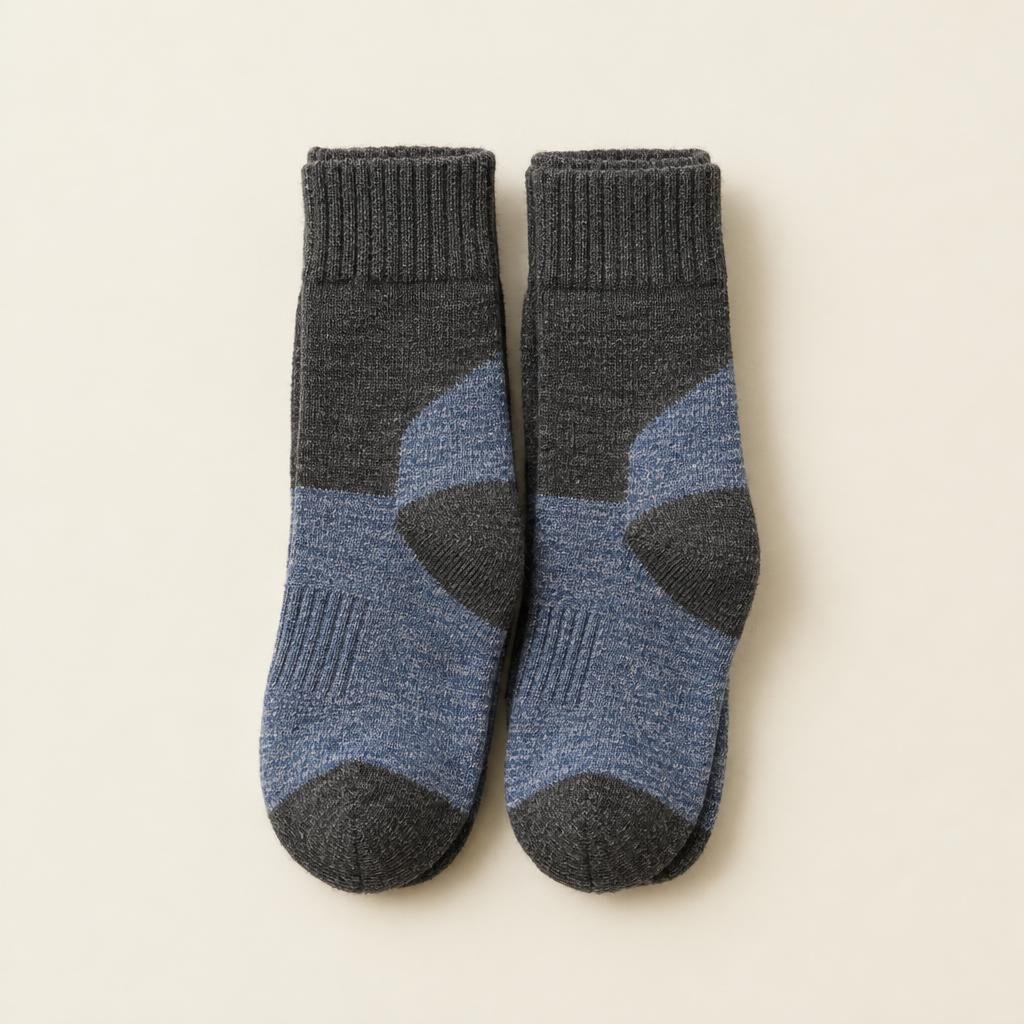
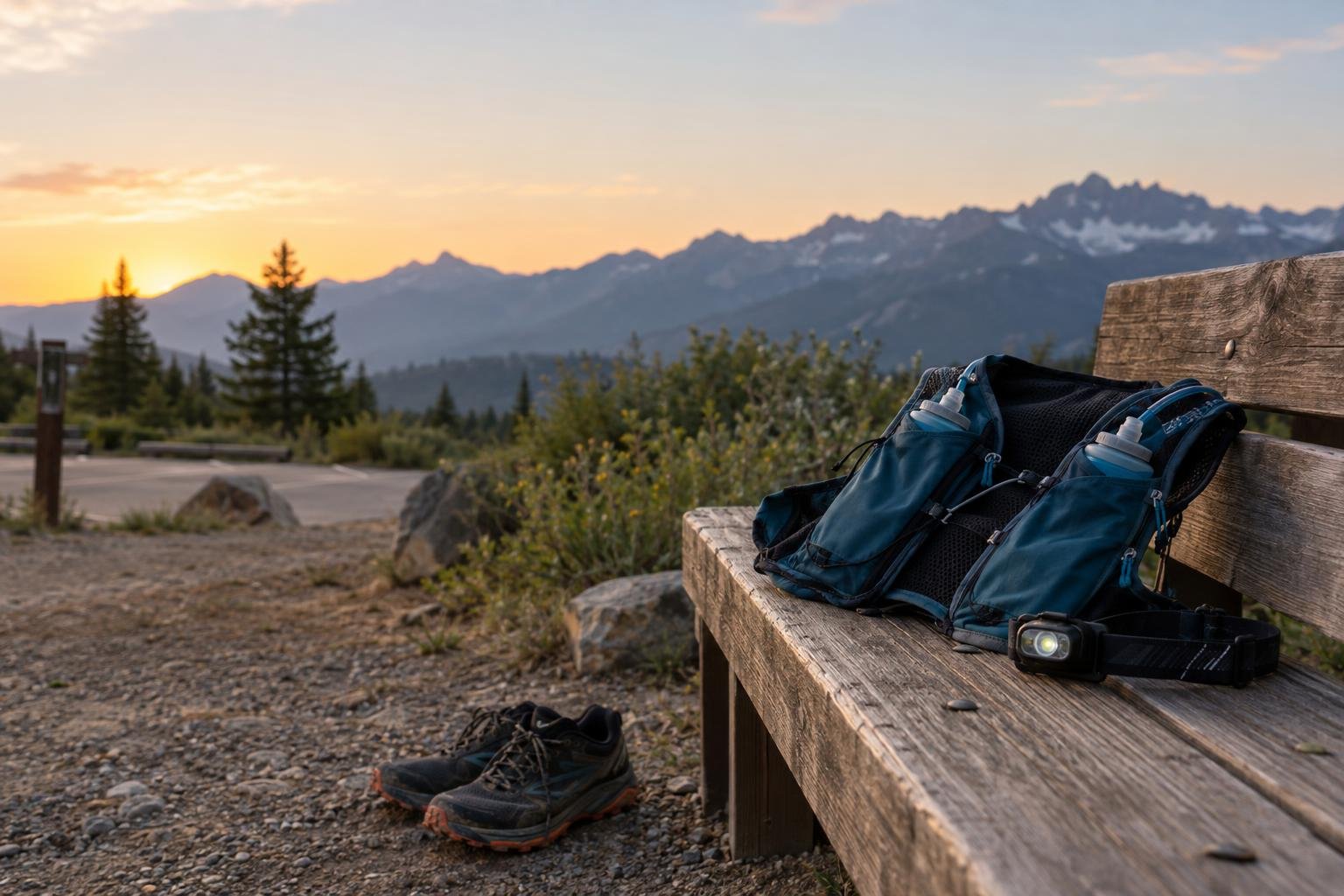
When you have a pair, rotate them if you can and keep them away from direct heat when they are wet. Knock off dried mud before you put them away. A little care helps the uppers and the outsole stay in good shape.
To dry wet shoes, remove the insoles and loosen the laces, then leave them somewhere with moving air. Stuffing them with paper helps pull out moisture. Heaters and hot cars can warp foam and weaken the glue, so patience is the better method. Check the lugs now and then, since worn rubber is your cue to replace them.