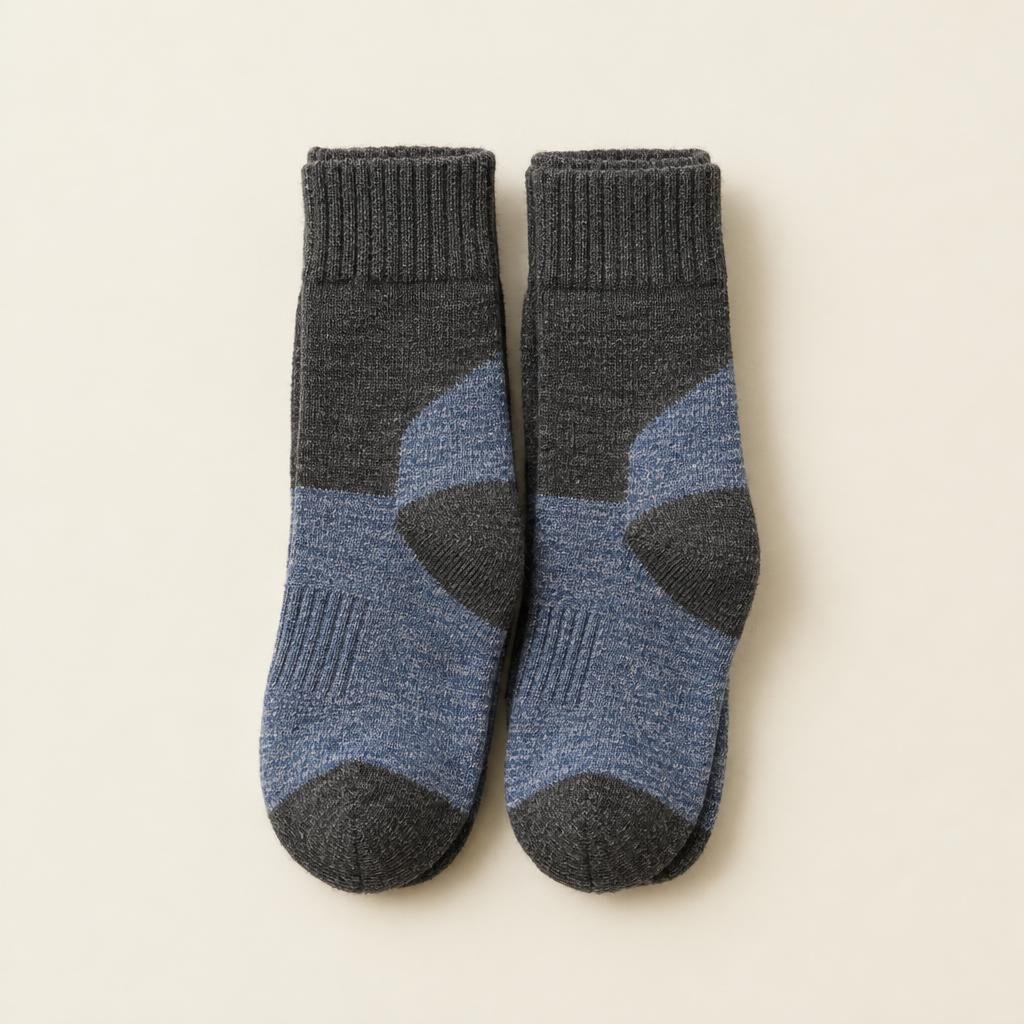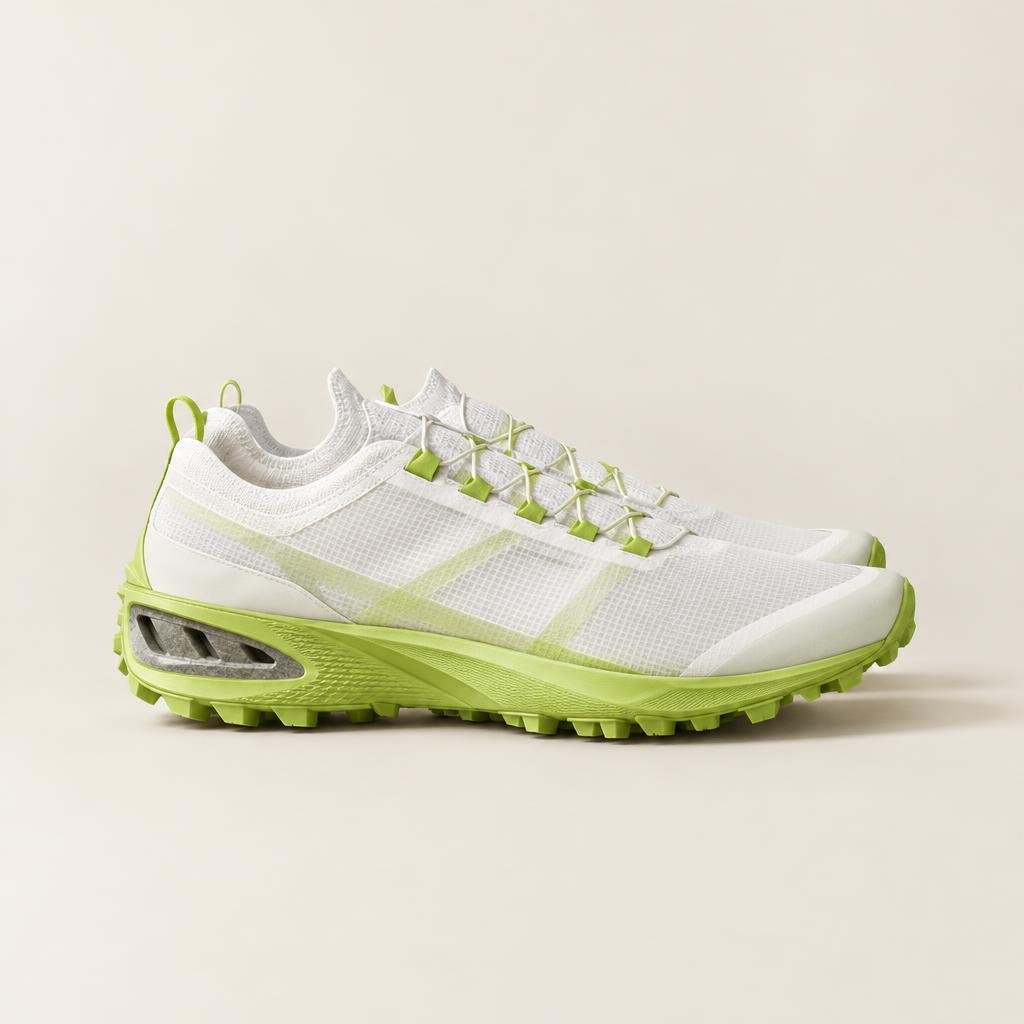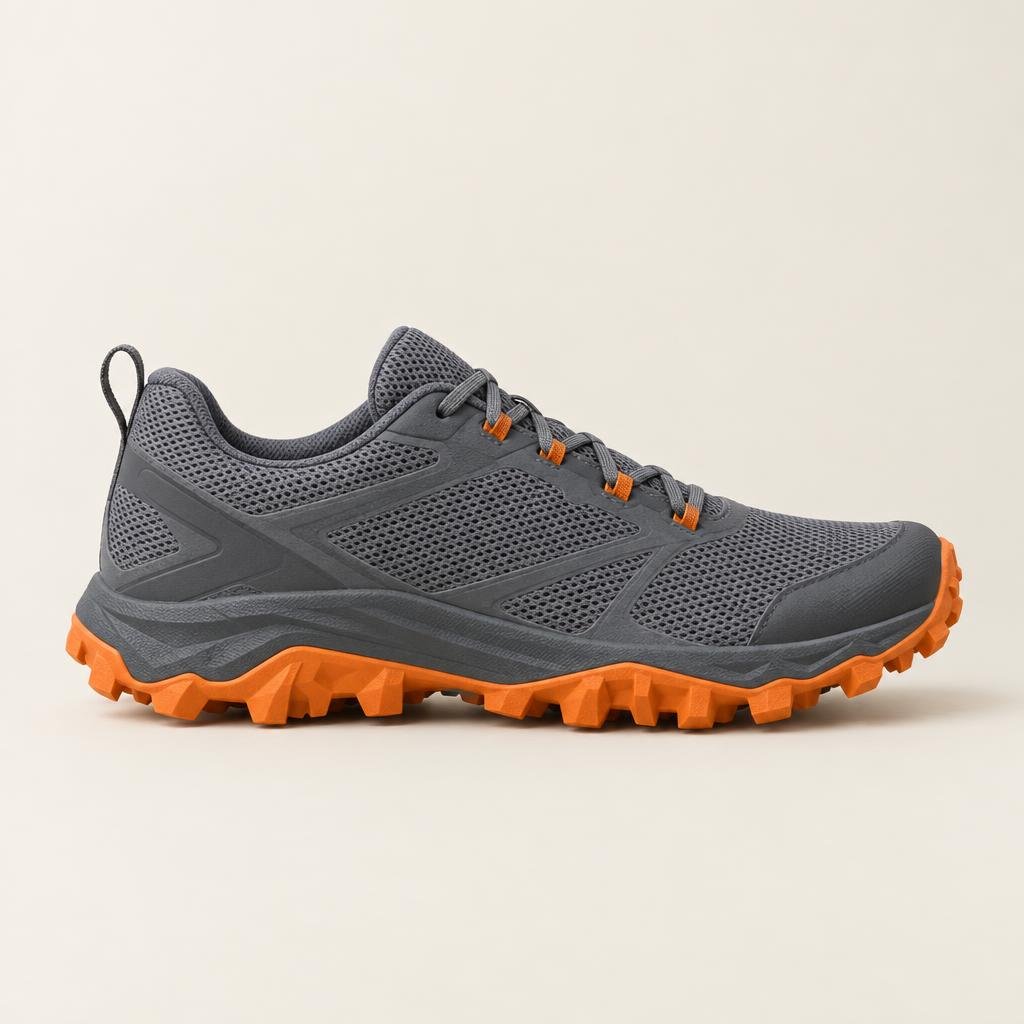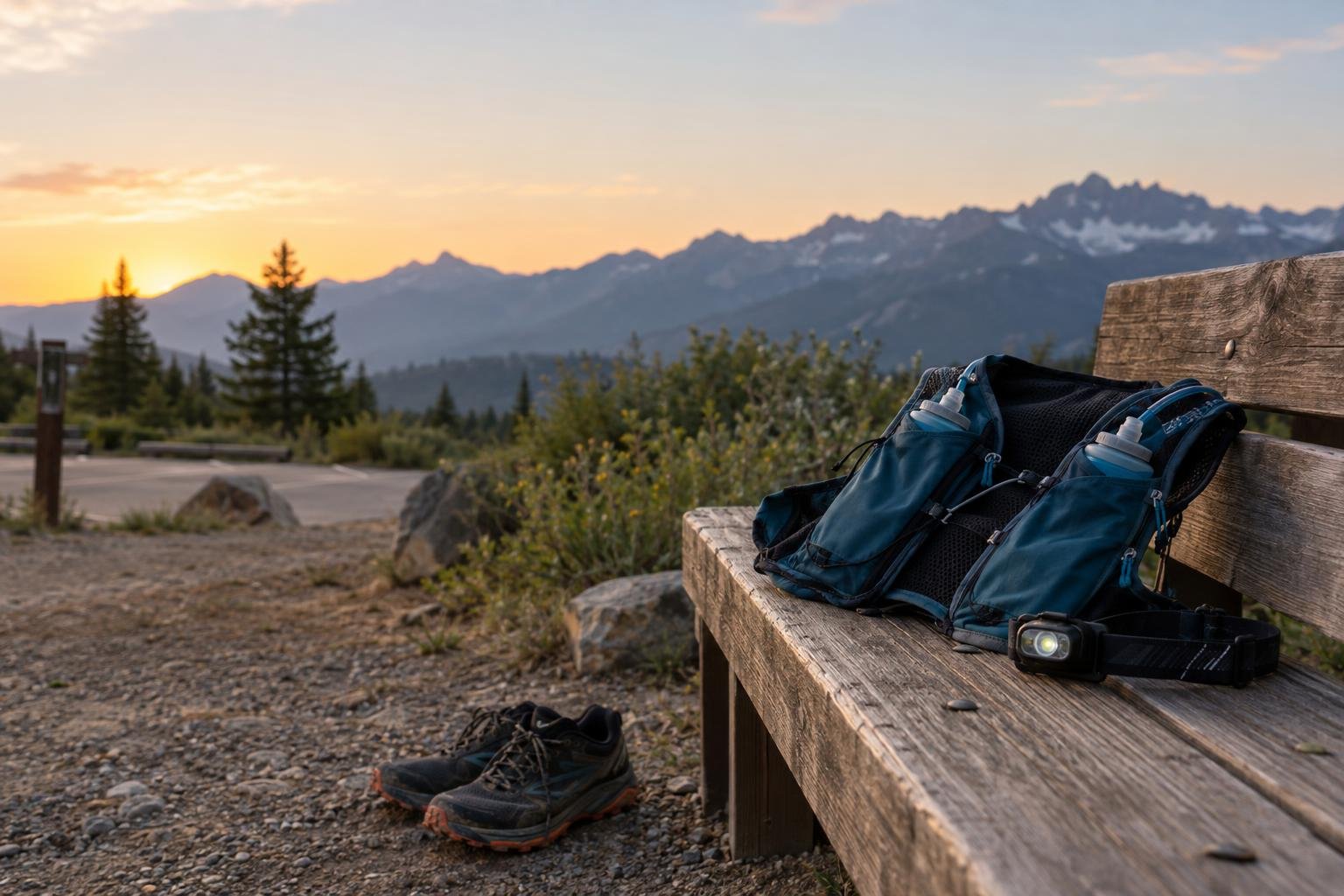
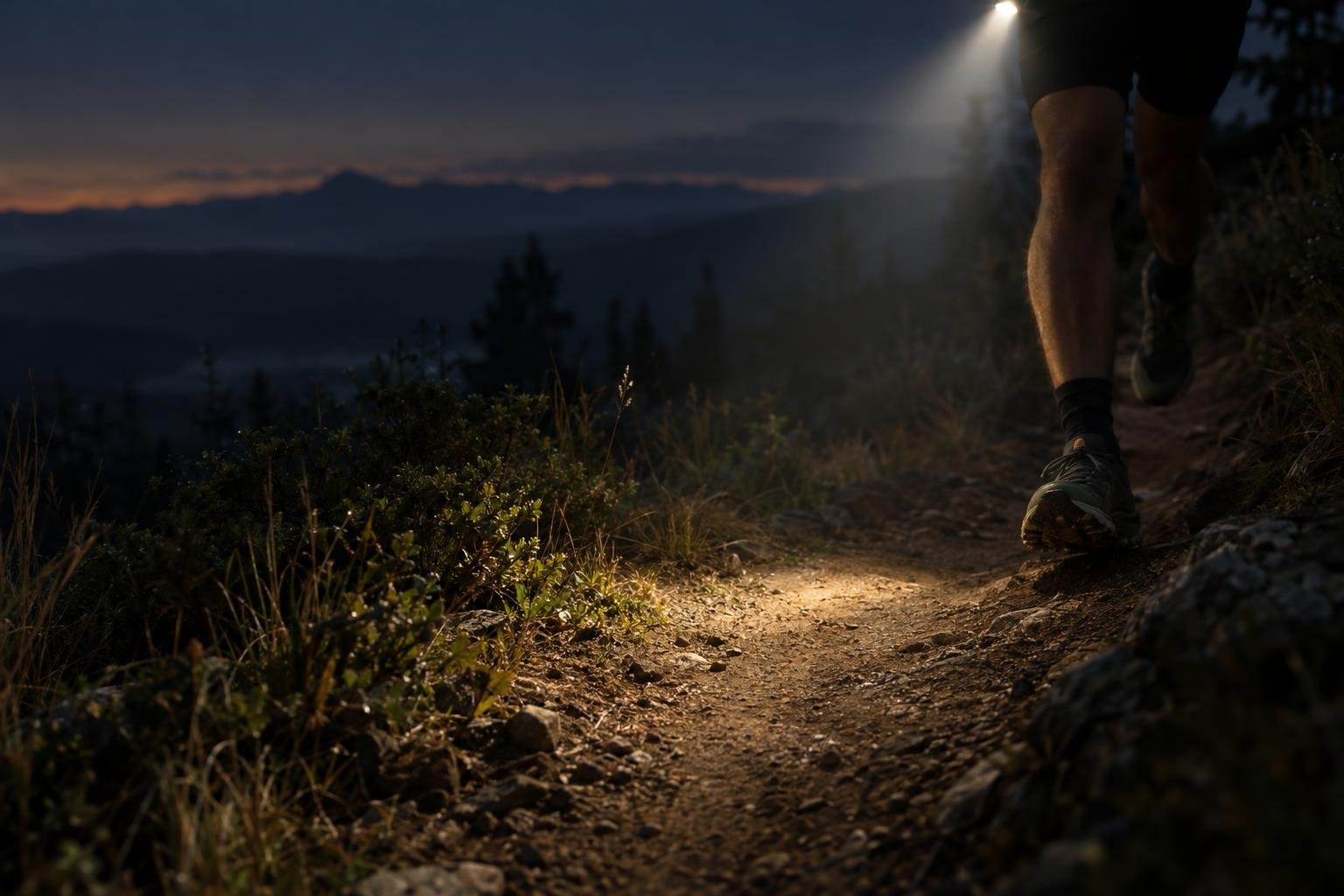
Running with a headlamp changes how the trail looks. Roots and rocks cast long shadows, and your eyes work harder to read the ground. A good light helps, but how you wear it matters as much as how bright it is. Here is how we think about getting the most from a lamp once the sun goes down.
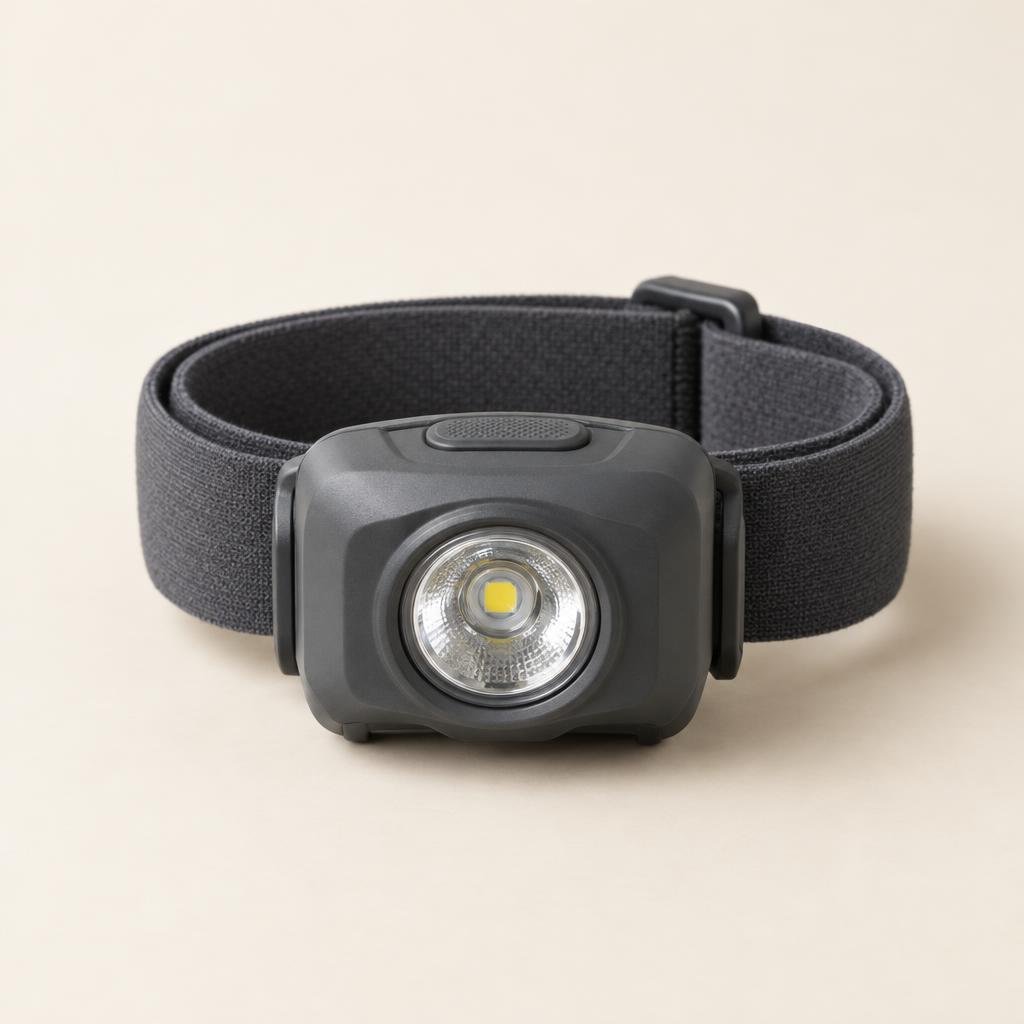
Position comes first. Wear the lamp low on your forehead, or over a cap, with the strap snug enough that it does not slide when you run. A wide elastic strap spreads the pressure and tends to be more comfortable on long outings than a thin one.
A lamp that bounces is more than annoying. Each bounce makes the beam jump, and your eyes have to keep re-reading the ground. Tighten the strap a little, then shake your head side to side. If the lamp stays put, it is ready. If it creeps, adjust it before you leave, not halfway up a climb.
Some runners wear the lamp on the chest or waist instead. That lowers the angle of the light, which makes bumps and dips stand out more sharply. The trade-off is that the beam does not follow your gaze, so turning your head to look around a corner leaves you looking into the dark.
Choosing and Aiming the Beam
The beam is the next thing to consider. A wide, even beam helps you see the sides of the trail and judge where the ground is going. A focused beam reaches farther, which helps on fast, open sections. Many headlamps let you switch between them.
Brightness is usually quoted in lumens, but the number only tells part of the story. A lamp with a very high figure can still give a harsh, narrow hotspot if the optics are poor. A moderate lamp with a smooth, blended beam is often easier to run behind, because there are fewer sharp edges for your eyes to fight.
Tilt the lamp so the beam lands a few strides ahead of you. If it points too far out, you lose sight of what is right in front of your feet. If it points too low, you see only a small circle and feel like you are running in a tunnel.
You will likely adjust the tilt as the terrain changes. Climbing often calls for a slightly lower angle, since you are looking at the ground close ahead. On a smooth, flat stretch you can lift the beam to see farther. A hinge that holds its angle firmly is worth looking for.
Power and Backup Light
Think about battery before you go. Check the charge, and know that colder weather can shorten how long a battery lasts. Carry a backup light if you are heading out for a long run.
Most lamps have several brightness modes, and the highest one drains the battery fastest. Running on a medium setting for most of the outing and saving the top setting for tricky sections stretches the charge a long way. Read the runtime figure on the box as a best case, not a promise.
Rechargeable lamps are convenient, but they do ask you to remember to charge them. Lamps that take standard batteries let you swap in fresh ones on the spot. Neither is wrong. Pick the one that fits how you actually behave, and keep a spare of whichever you choose in your pack.
A backup does not need to be big. A small, light lamp that tucks into a vest pocket is enough to get you moving if the main one fails. Check that it works now and then, because a backup with a dead battery is just extra weight.
Settling in on the Trail
On technical ground, slow down a little at first. Your depth perception feels different with a single light source, and it takes a few minutes to settle in. Look at the trail rather than at the beam.
With one light close to your eyes, shadows are flatter than in daylight, so a small step can look like nothing at all. Shorter strides and quicker steps give you more chances to correct if the ground is not what you expected. Lift your feet a bit higher than usual over roots.
It also helps to give your eyes time to adapt. If you pass a bright streetlight or a car, you may notice the trail looks darker for a moment afterward. Easing off briefly when that happens is a simple way to stay steady until your sight comes back.
Finally, wipe the lens clean and store the lamp somewhere dry. Switch it off completely when you put it away so it does not turn on in a bag and drain the battery. Many lamps have a lock mode, and it is worth learning how yours works.